No-Spend Challenge Rules: How to Plan One That Works
Thinking about a no-spend challenge? Here's how to set realistic rules, pick the right length, track your no-spend days and learn from the results.
A no-spend challenge is a set period when you only spend money on essentials. No takeout, no impulse buys, no “just browsing” that turns into a parcel at the door.
It’s a reset more than a punishment. A few weeks of not spending shows you exactly where your money usually goes, and gives your savings a quick boost at the same time.
The secret is the rules. Too strict and you’ll quit by day three; too loose and nothing changes. Here’s how to set rules that work for your life.
In a nutshell
- Pick a realistic length: a weekend, a week or a month.
- Write down what’s allowed (essentials) and what isn’t, before you start.
- Decide ahead of time how you’ll handle gifts, social plans and subscriptions.
- Track each no-spend day, and move the money you didn’t spend into savings.
- Review at the end: what was easy, what was hard, and what you’ll keep.
Step 1: Choose your time frame
Start with a length you’re confident you can finish. You can always go longer next time.
- No-spend weekend: a great first try. Weekends are often when spending creeps in.
- No-spend week: long enough to notice your habits, short enough to stay motivated.
- No-spend month: a bigger reset. January and February are popular after the holidays.
- No-spend days: pick a set number of days in the month, such as 10 or 15, and spread them out.
Check your calendar before you choose. A birthday, a trip or a school event in the middle of your challenge doesn’t mean you can’t do it, but it does mean planning ahead (Step 4).
Step 2: Write down what’s allowed
Essentials are the costs you need to keep life running. Most no-spend challenges allow:
- Rent or mortgage, and utilities
- Groceries from a planned list
- Gas or transit for work and school
- Medicine and health appointments
- Bills and minimum debt payments due during the challenge
- Childcare and school costs
- Pet food and vet care
Write your list down before you start. “Essential” gets very flexible when you’re tired and something is on sale.
Step 3: Write down what’s off-limits
These are the purchases you’re pressing pause on. A typical list:
- Takeout, delivery and eating out
- Coffee shop drinks
- Clothes, shoes and accessories
- Home decor and “nice to have” household items
- Beauty products you don’t need to replace yet
- Books, games and hobby supplies (use what you have, or the library)
- Online shopping that isn’t on your essentials list
Make the rules your own. If takeout is your biggest spending leak, that’s the one to focus on. If you never buy clothes anyway, it doesn’t need to be on the list.
Step 4: Decide on the gray areas
Most challenges go wrong in the gray areas, so decide on them before day one:
- Gifts: buy any gifts you’ll need before the challenge starts, or set a gift budget that’s allowed.
- Social plans: suggest free plans (a walk, a picnic, a movie night at home), or allow one budgeted outing.
- Subscriptions: pause or cancel any you don’t use. The challenge is a good time to review them.
- Replacing something that runs out: allow it only if it’s truly needed, like toothpaste. Wait if it’s a want.
- Groceries: stick to a list. A little meal planning makes this much easier, and using up what’s in the pantry stretches your grocery money further.
Step 5: Track your no-spend days
Tracking turns the challenge into a game, and makes your progress easy to see.
- Mark each no-spend day on your calendar or a habit tracker.
- Write down every essential purchase you do make, so you can see your real spending.
- Note what tempted you: the time of day, the place, the feeling. Those are the habits to work on.
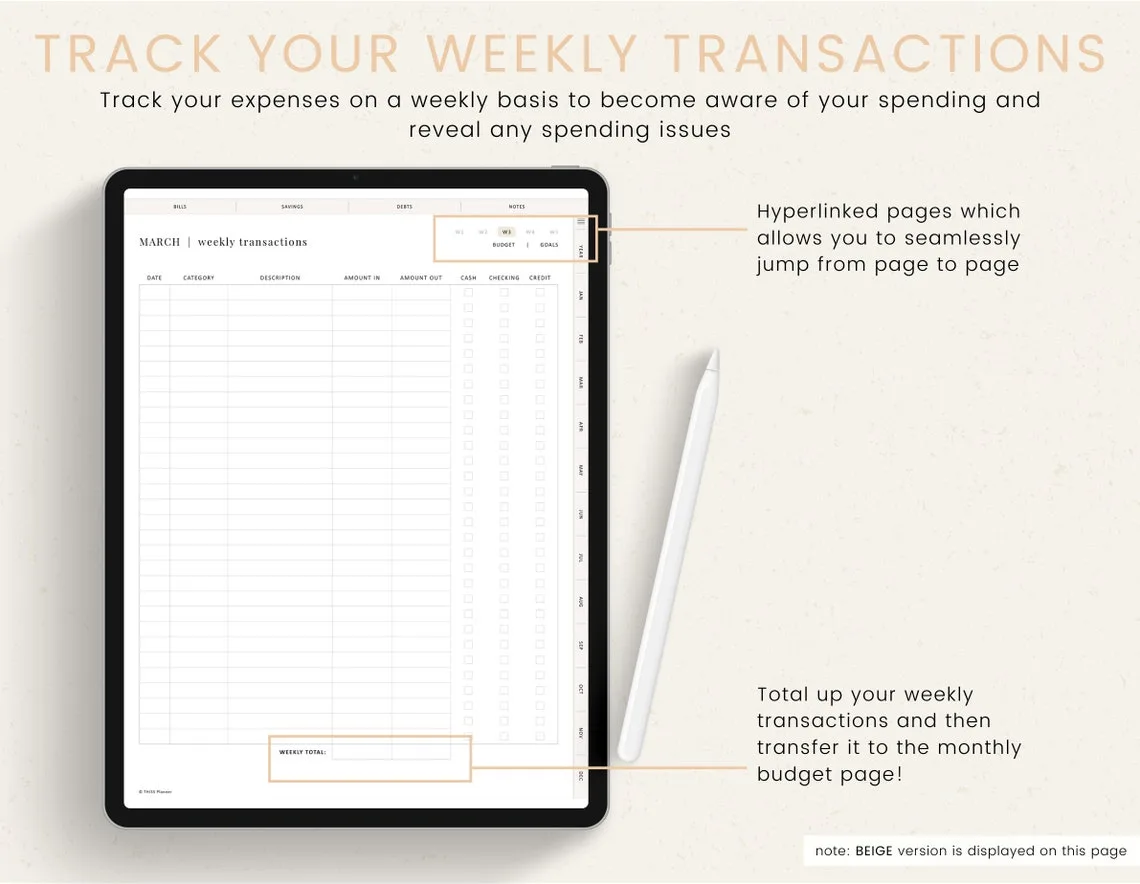
A simple spending log is enough: the date, what you bought, and the amount. If you’d like ideas for tracking other habits too, here are 100 habit tracker ideas.
Step 6: Move the money you didn’t spend
The money you save won’t stay saved if it sits in your checking account. At the end of each week, estimate what you’d normally have spent on your off-limits list, and move that amount to savings or put it toward a debt.
It’s a great way to kick-start a goal, like a 52-week savings challenge or a sinking fund for a cost you know is coming.
Step 7: Review your results
When the challenge ends, take ten minutes to look back:
- How much did you save, or move to savings?
- Which rules were easy, and which were hard?
- What did you not miss at all?
- What triggered the urge to spend?
- Which habits will you keep, like packing lunch or a weekly grocery list?
The habits you keep are the real win. Use what you learned to adjust your monthly budget. (Here’s how to budget with a digital planner, and a full budget categories list.)
Tips to make it easier
- Tell someone. A friend or partner doing it with you makes it more fun, and harder to quit.
- Unsubscribe from shopping emails and delete saved cards from shopping sites for the challenge.
- Find free things to do: the library, parks, free community events, a walk with a friend.
- Use what you have: cook from the pantry, finish the book on your nightstand, try the skincare you already own.
- Keep a wish list. Write down anything you want to buy. If you still want it after the challenge, plan for it in your budget.
If you slip up
It happens. One unplanned purchase doesn’t end the challenge. Write it down, notice what led to it, and carry on the next day. A challenge with a few slips still teaches you more than one you never started.
Common questions
What are the rules of a no-spend challenge?
You set them. Most challenges allow essentials like housing, utilities, groceries, transport, medicine and bills, and pause everything else, such as takeout, shopping and entertainment.
How long should a no-spend challenge be?
Start with a weekend or a week. Once that feels doable, try a month, or a set number of no-spend days each month.
Can I buy groceries during a no-spend challenge?
Yes, groceries are usually allowed. Shop from a list, plan your meals, and use up what you already have to make the most of it.
What do I do with the money I save?
Move it to savings or put it toward a debt straight away, so it doesn’t quietly get spent.
Plan your challenge
Pick your dates, write your two lists (allowed and off-limits), decide on the gray areas and start. A short challenge done well beats a long one abandoned halfway.
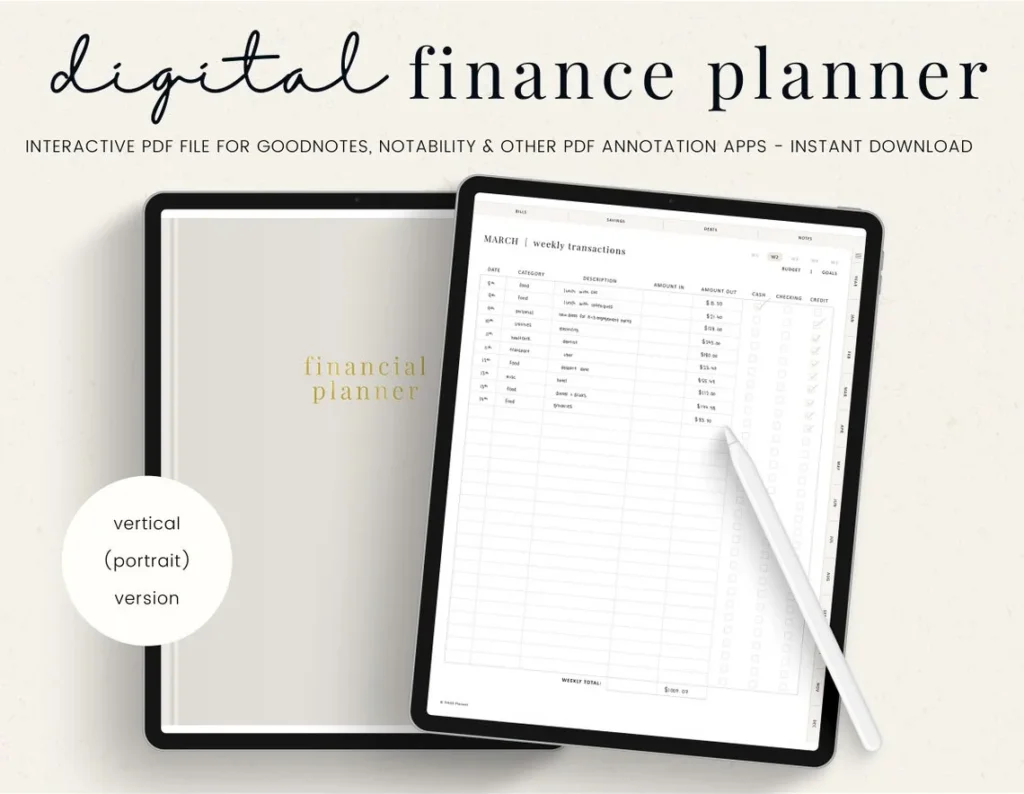
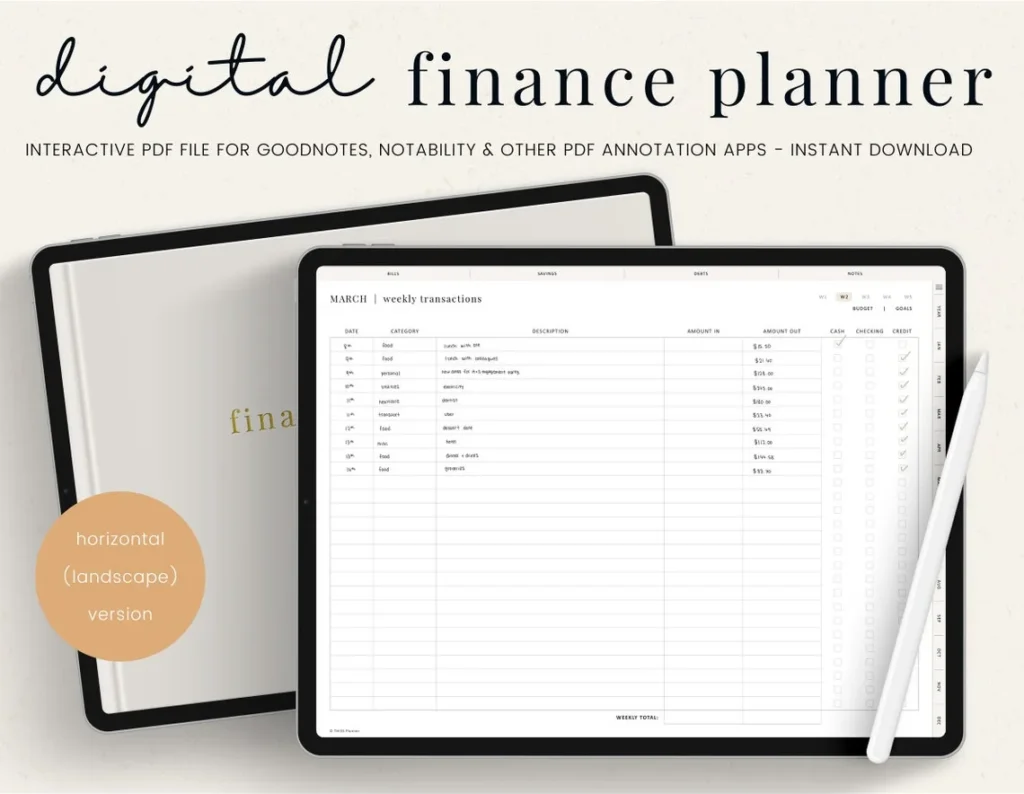
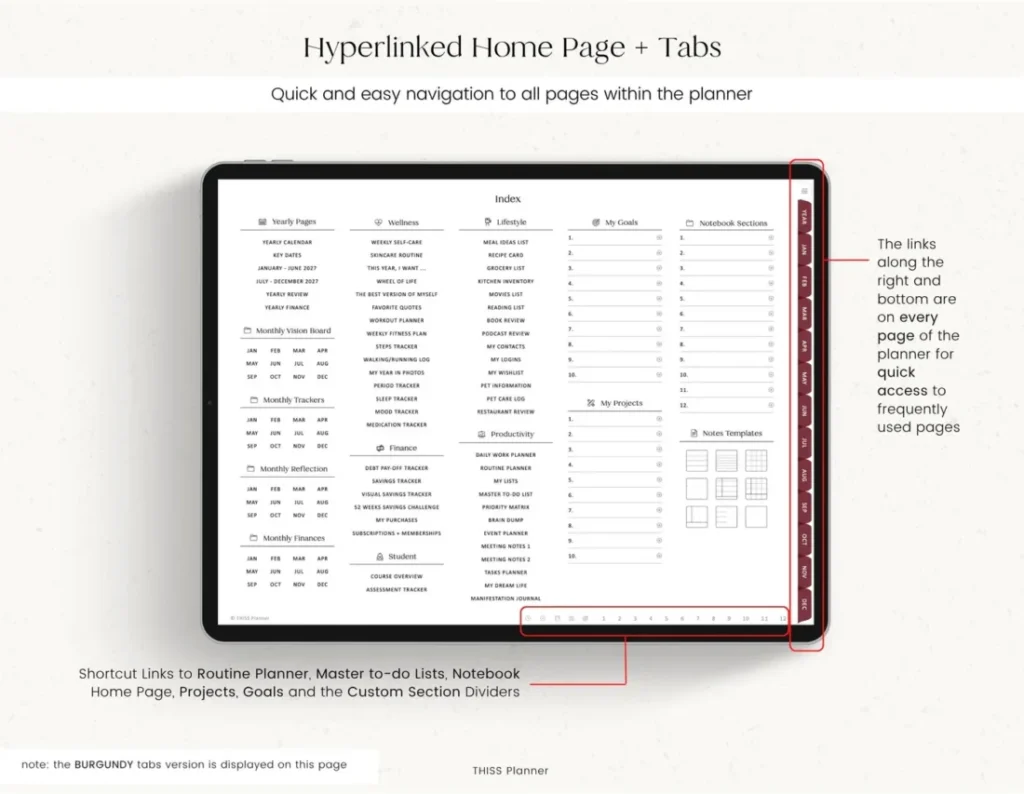
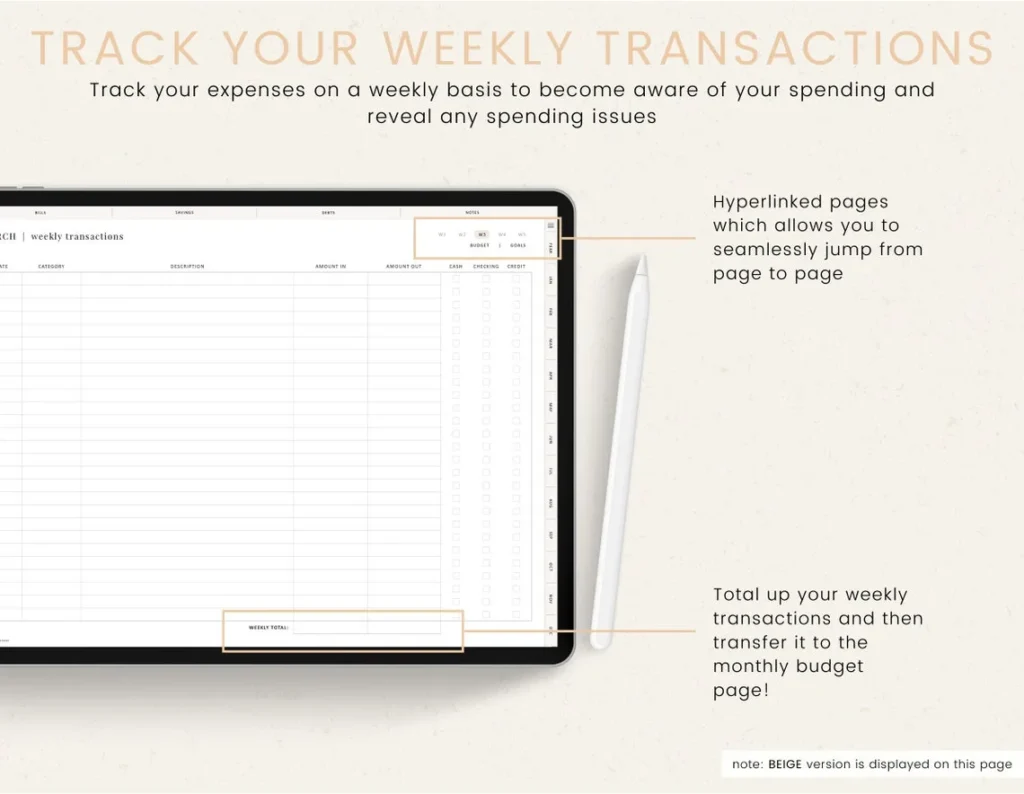
If you’d like a place to track it all, the THISS Finance and Budget Planner has a weekly transactions tracker, monthly budget pages and savings trackers.
This article is general information to help you organize your money. It isn’t financial advice, so for advice on your own situation, please talk to a qualified professional.
Keep reading: The 52-week savings challenge, Budget categories list and How to create a weekly meal plan.