The 52-Week Savings Challenge: How It Works (with a Chart)
Save $1,378 in a year, one small step at a time. Here's how the 52-week savings challenge works, a full savings chart and five versions to suit your budget.
The 52-week savings challenge is one of the simplest ways to build a savings habit. You save a little each week, the amount grows slowly, and by the end of the year you have a real sum set aside.
In the classic version, you save $1 in week 1, $2 in week 2, and so on, up to $52 in the last week. Add it all up and you’ve saved $1,378.
Here’s how it works, the full chart, and four other versions if the classic one doesn’t suit your budget.
In a nutshell
- Classic challenge: save the week number in dollars each week, for $1,378 by the end of the year.
- Reverse it (start at $52) if December is your most expensive month.
- Prefer a steady amount? $26.50 a week also adds up to $1,378.
- Keep the money in a separate savings account, and tick off each week as you go.
- Missed a week? Catch up when you can, or simply carry on.
How the 52-week savings challenge works
Each week of the year has a savings amount. In the classic challenge, that amount matches the week number:
- Week 1: save $1
- Week 2: save $2
- Week 10: save $10
- Week 52: save $52
The early weeks are easy, which helps you build the habit before the amounts get bigger. By the final week you’re saving $52, but you’ve had a whole year to get used to it.
The total is 1 + 2 + 3 and so on up to 52, which comes to $1,378.
The 52-week savings chart
Here’s the classic challenge in full, with a running total so you can see your savings grow. Tick off each week as you go.
| Week | Save | Total | Week | Save | Total |
|---|---|---|---|---|---|
| 1 | $1 | $1 | 27 | $27 | $378 |
| 2 | $2 | $3 | 28 | $28 | $406 |
| 3 | $3 | $6 | 29 | $29 | $435 |
| 4 | $4 | $10 | 30 | $30 | $465 |
| 5 | $5 | $15 | 31 | $31 | $496 |
| 6 | $6 | $21 | 32 | $32 | $528 |
| 7 | $7 | $28 | 33 | $33 | $561 |
| 8 | $8 | $36 | 34 | $34 | $595 |
| 9 | $9 | $45 | 35 | $35 | $630 |
| 10 | $10 | $55 | 36 | $36 | $666 |
| 11 | $11 | $66 | 37 | $37 | $703 |
| 12 | $12 | $78 | 38 | $38 | $741 |
| 13 | $13 | $91 | 39 | $39 | $780 |
| 14 | $14 | $105 | 40 | $40 | $820 |
| 15 | $15 | $120 | 41 | $41 | $861 |
| 16 | $16 | $136 | 42 | $42 | $903 |
| 17 | $17 | $153 | 43 | $43 | $946 |
| 18 | $18 | $171 | 44 | $44 | $990 |
| 19 | $19 | $190 | 45 | $45 | $1,035 |
| 20 | $20 | $210 | 46 | $46 | $1,081 |
| 21 | $21 | $231 | 47 | $47 | $1,128 |
| 22 | $22 | $253 | 48 | $48 | $1,176 |
| 23 | $23 | $276 | 49 | $49 | $1,225 |
| 24 | $24 | $300 | 50 | $50 | $1,275 |
| 25 | $25 | $325 | 51 | $51 | $1,326 |
| 26 | $26 | $351 | 52 | $52 | $1,378 |
How much you save each quarter
Because the amounts grow, most of the saving happens later in the year. Here’s how the classic challenge breaks down by quarter, and how the reverse version flips it:
| Quarter | Weeks | Classic | Reverse |
|---|---|---|---|
| Jan to Mar | 1 to 13 | $91 | $598 |
| Apr to Jun | 14 to 26 | $260 | $429 |
| Jul to Sep | 27 to 39 | $429 | $260 |
| Oct to Dec | 40 to 52 | $598 | $91 |
| Year | $1,378 | $1,378 |
The classic version asks for $598 in the last quarter, right when holiday spending peaks. That’s why many people prefer the reverse version.
Five versions of the challenge
1. Classic
Save $1 in week 1, rising by $1 each week to $52. Total: $1,378. Best if you want an easy start.
2. Reverse
Start with $52 in week 1 and work down to $1. Total: $1,378. Best if you get a fresh start in January (or a tax refund early in the year) and want an easy December.
3. Steady
Save the same amount every week: $26.50 a week also adds up to $1,378. Best if your income is the same each week and you like a simple, automatic transfer.
4. Pick a week
Each week, choose any unticked amount from the chart and save that. On a tight week, pick a small one; on a good week, pick a big one. Once every amount is ticked, you’ve saved $1,378.
5. Double or more
Multiply every amount: $2 a week rising to $104 adds up to $2,756, and $5 rising to $260 adds up to $6,890. Best if you’re saving for something bigger and the classic amounts feel too small.
Paid every two weeks?
Turn it into a 26-paycheck challenge by saving two weeks’ amounts each payday. In the classic version, your first paycheck covers weeks 1 and 2 ($3), your second covers weeks 3 and 4 ($7), and so on. Your last paycheck of the year covers weeks 51 and 52 ($103).
How to start the challenge
- Choose your version. Look at your budget and pick the one you can realistically keep up.
- Decide what you’re saving for. An emergency fund, a vacation, holiday gifts or a debt payment. A clear goal makes it easier to stay motivated.
- Pick where the money goes. A separate savings account keeps the challenge money away from everyday spending. Some banks let you name a savings bucket, too.
- Set a weekly reminder, or an automatic transfer if your bank lets you schedule changing amounts.
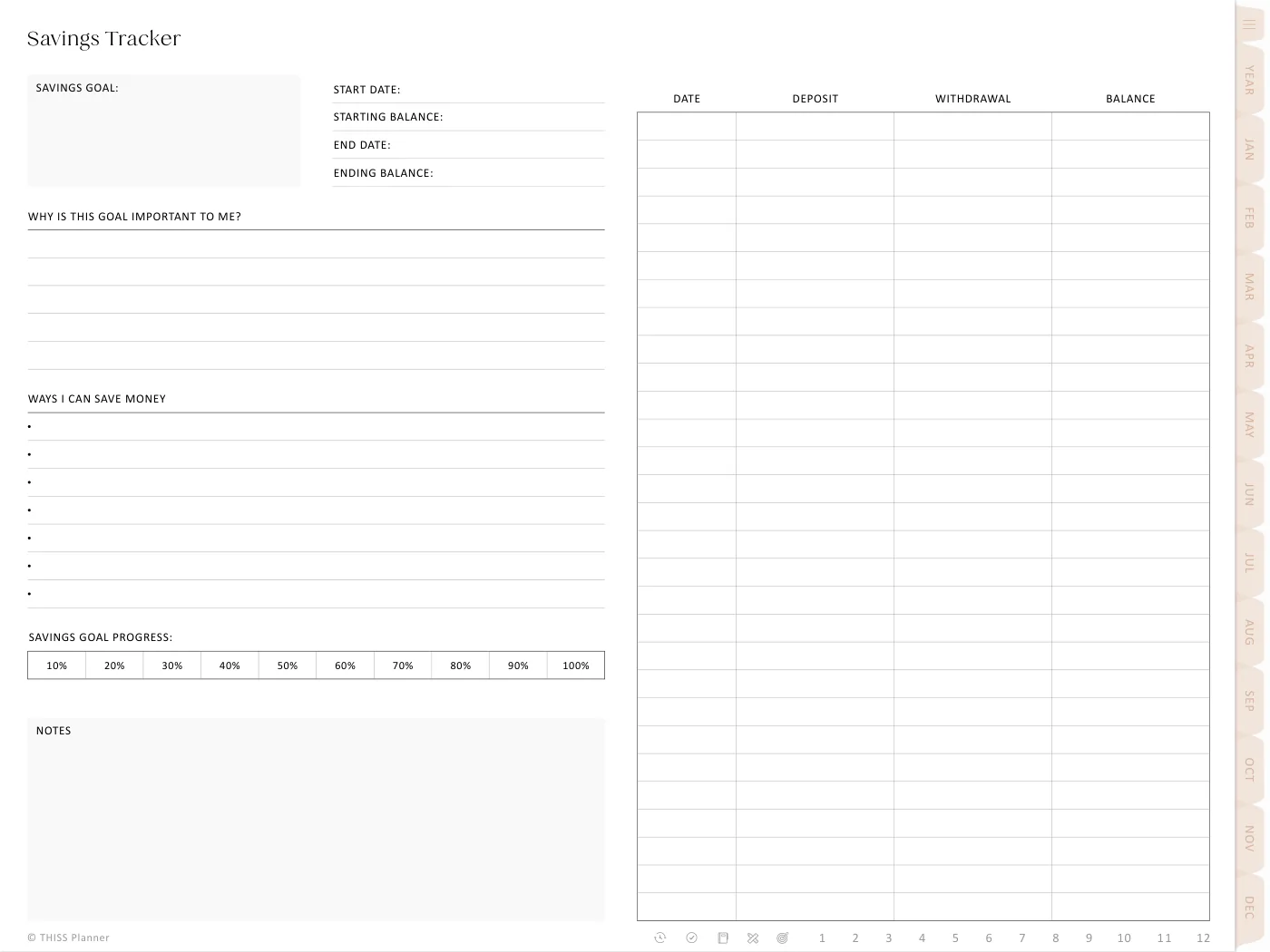
- Track it. Tick off each week on a chart. Watching the total grow is half the fun.
Tips to finish the year
- Front-load when you can. If you get a bonus or a gift, save a few weeks ahead to give yourself breathing room later.
- Catch up gently. Missed a week? Add it to next week, or save it when money comes in. Don’t give up because of one gap.
- Pair it with a no-spend day. The money you don’t spend can go straight into this week’s amount. (Here’s how to do a no-spend challenge.)
- Don’t dip in. If you need money for a known cost, set up a sinking fund for it instead, so the challenge money stays put.
- Check in monthly. Add up what you’ve saved during your monthly budget review. (Here’s how to budget with a digital planner.)
Common questions
How much do you save with the 52-week challenge?
The classic challenge saves $1,378 in a year. Doubling every amount saves $2,756, and multiplying by five saves $6,890.
Can I start the 52-week savings challenge in the middle of the year?
Yes. Week 1 is simply your first week. You can start any time and finish 52 weeks later.
What if I can’t afford the later weeks?
Try the reverse, steady or pick-a-week version instead. The steady version spreads the total evenly at $26.50 a week.
Where should I keep the money?
A separate savings account works well, so the money isn’t mixed in with your everyday spending. Some savings accounts also pay a little interest on your balance.
Start this week
Pick your version, choose your goal and save your first amount this week. By this time next year, you’ll have a savings habit and a nice sum to show for it.
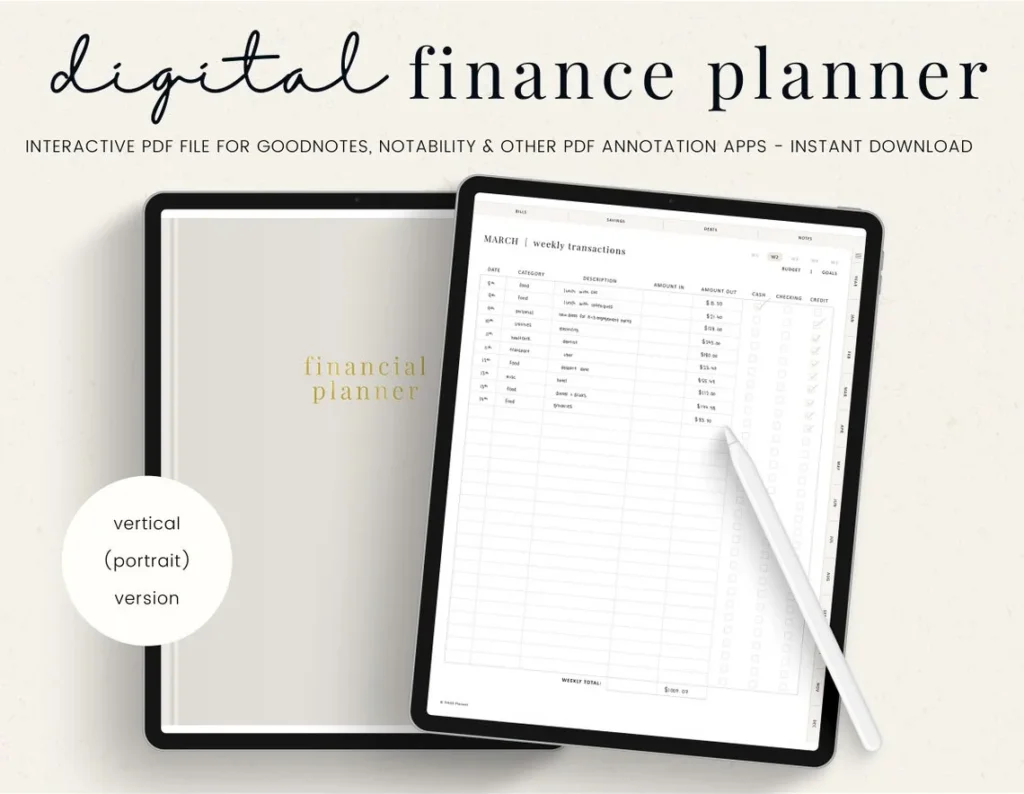
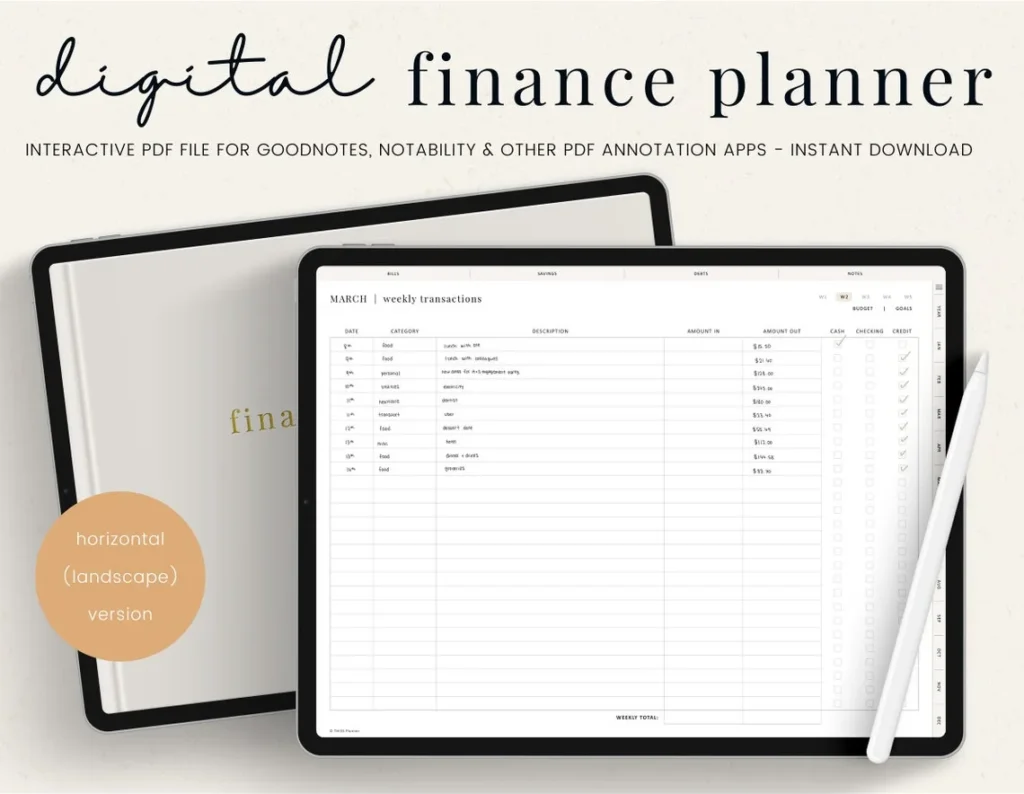
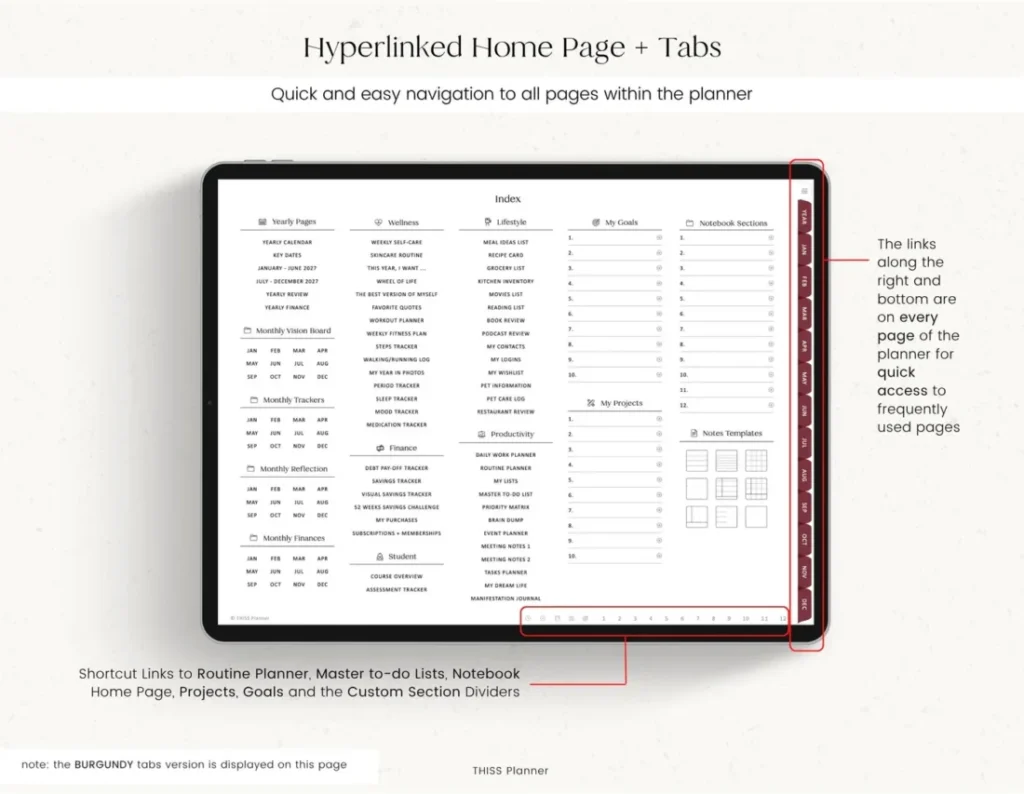
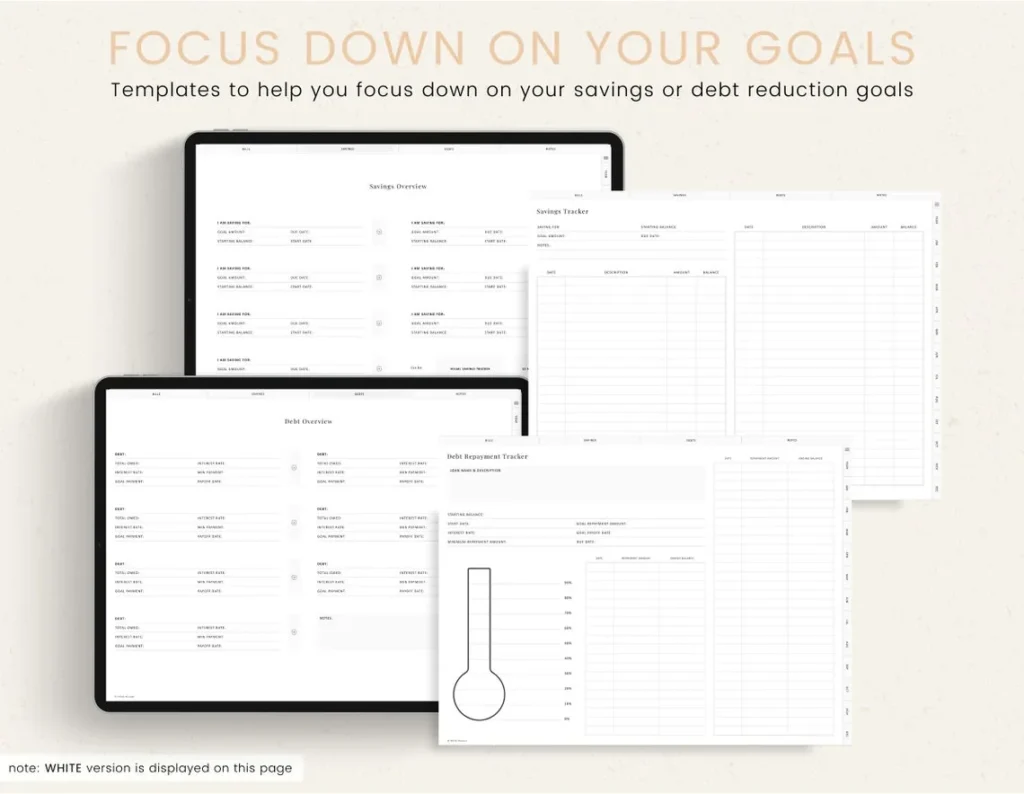
If you’d like a place to track it, the THISS Finance and Budget Planner and the THISS 2027 Digital Planner both include a 52 weeks savings challenge page, alongside savings trackers.
This article is general information to help you organize your money. It isn’t financial advice, so for advice on your own situation, please talk to a qualified professional.
Keep reading: Sinking funds explained, No-spend challenge rules and Budget categories list.