Budget Categories List: What to Include in Your Budget
Not sure what belongs in your budget? Here's a complete list of budget categories and subcategories, and how to pick the ones that fit your life.
The hardest part of starting a budget isn’t the math. It’s working out what to put in it.
Leave out a category and your budget looks fine on paper, then falls apart the first time the car needs tires. Add too many and it’s so fiddly you stop using it.
Here’s a complete list of budget categories and subcategories to choose from, plus how to decide which ones belong in yours.
In a nutshell
- Start with 10 to 15 main categories, then add subcategories only where you need more detail.
- Look at three months of bank and card statements to see where your money actually goes.
- Split categories into fixed, variable and non-monthly costs.
- Give savings and debt payments their own categories, so they’re planned, not leftovers.
- Review your categories after a month or two, and adjust.
Fixed, variable and non-monthly costs
Before the list, it helps to know the three kinds of spending every budget has:
- Fixed costs are the same each month, like rent, a car payment or insurance premiums.
- Variable costs change from month to month, like groceries, gas and eating out.
- Non-monthly costs come once or twice a year, like car registration, holiday gifts or an annual subscription. These are the ones that catch people out, so they’re worth planning for with sinking funds.
The complete budget categories list
You won’t need all of these. Read through, tick the ones that apply to you, and skip the rest.
1. Housing
- Rent or mortgage
- Property taxes (if not included in your mortgage payment)
- HOA fees
- Renters or homeowners insurance
- Repairs and maintenance
2. Utilities
- Electricity
- Gas or heating
- Water, sewer and trash
- Internet
- Cell phone
3. Food
- Groceries
- Eating out
- Takeout and delivery
- Coffee and snacks
- Work or school lunches
4. Transportation
- Car payment or lease
- Gas or charging
- Car insurance
- Registration and inspection
- Maintenance, oil changes and tires
- Parking and tolls
- Public transit and rideshare
5. Insurance
- Health insurance premiums
- Dental and vision insurance
- Life insurance
- Disability insurance
6. Health
- Doctor visits and copays
- Prescriptions
- Dental and eye care
- Glasses or contacts
- Therapy or counseling
7. Debt payments
- Credit cards
- Student loans
- Personal loans
- Medical bills
- Buy now, pay later plans
8. Savings
- Emergency fund
- Sinking funds
- Retirement contributions
- Savings goals, like a home deposit or a new car
9. Household
- Cleaning supplies
- Paper goods and toiletries
- Home decor and furniture
- Small appliances and tools
10. Personal care
- Haircuts and color
- Skincare and makeup
- Gym or fitness classes
11. Clothing
- Clothes and shoes
- Kids’ clothes
- Dry cleaning and alterations
12. Kids and family
- Childcare and babysitting
- School fees and supplies
- Activities, sports and lessons
- Allowance
- Diapers, formula and baby gear
13. Pets
- Food and treats
- Vet visits and medication
- Grooming and boarding
- Pet insurance
14. Subscriptions and memberships
- Streaming services
- Apps and software
- Memberships, like a warehouse club
- Magazines and newspapers
15. Entertainment and fun
- Hobbies
- Books and games
- Concerts, movies and events
- Date nights and outings
16. Gifts and giving
- Birthdays and holidays
- Weddings, showers and celebrations
- Charitable donations
17. Travel
- Flights and accommodation
- Vacation spending money
- Travel insurance
18. Education
- Tuition
- Courses and workshops
- Textbooks and supplies
19. Work and business
- Work clothes and equipment
- Professional fees and licenses
- Side business costs
20. Miscellaneous
- A small buffer for anything that doesn’t fit elsewhere
Keep miscellaneous small. If something keeps landing there, it probably deserves its own category.
How to choose your budget categories
- Gather three months of statements. Download your bank and credit card statements, and note every type of spending you see.
- Match each cost to a category above. Use the main categories first. You can always add detail later.
- Mark each one fixed, variable or non-monthly. Fixed costs are easy to plan. Variable costs need a realistic estimate. Non-monthly costs need a monthly amount set aside.
- Add savings and debt payments first. Treat them like a bill, so they happen before the spending categories.
- Combine the small stuff. If you spend very little in a category, fold it into a bigger one. Fewer categories are easier to track.
How many budget categories should you have?
There’s no perfect number, but 10 to 15 main categories works for most households. That’s enough to see where your money goes, without tracking every coffee separately.
If one category keeps going over, split it into subcategories for a month or two. For example, splitting Food into groceries, eating out and takeout often shows exactly where the extra spending is.
Putting your categories to work
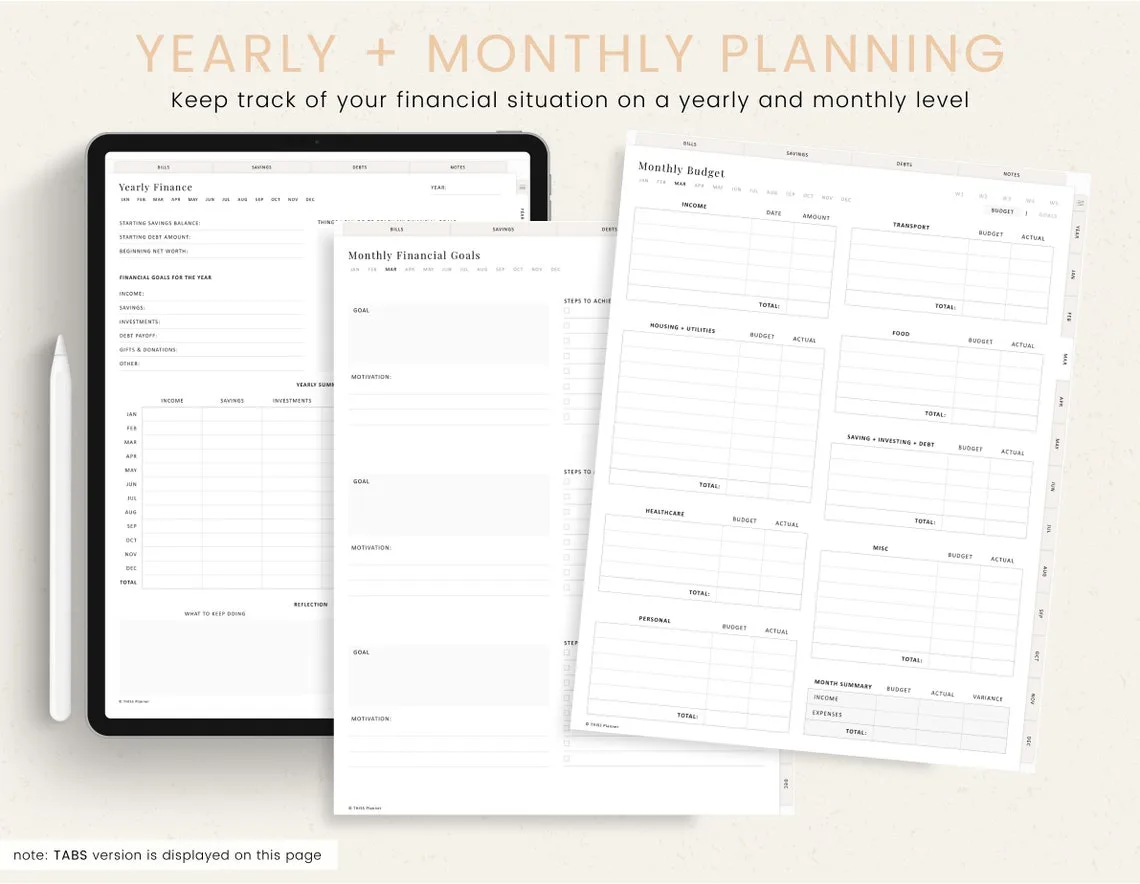
Once you’ve chosen your categories, set a planned amount for each one at the start of the month, then track what you actually spend. At the end of the month, compare the two and adjust next month’s plan.
A simple layout for each category looks like this:
| Category | Planned | Actual | Difference |
|---|---|---|---|
| Groceries | |||
| Gas | |||
| Eating out |
For the full process, from setting a monthly budget to a quick check-in at the end of the month, here’s how to budget with a digital planner.
Common questions
What are the main budget categories?
Most budgets include housing, utilities, food, transportation, insurance, health, debt payments, savings, personal spending and fun. Add family, pets, gifts or travel if they apply to you.
What’s the difference between budget categories and subcategories?
A category is the big group, like Food. Subcategories split it into detail, like groceries, eating out and takeout. Use subcategories only where the extra detail helps you make decisions.
Should savings be a budget category?
Yes. Giving savings its own category, and paying it first, means saving is planned instead of whatever is left at the end of the month.
Where do annual expenses go in a budget?
Give them their own category, or a sinking fund. Divide the yearly cost by 12 and set that amount aside each month, so the money is ready when the bill arrives.
Start simple
Your first budget doesn’t need to be perfect. Pick your main categories, track one month, and adjust from there. Each month gets a little easier, and a little more accurate.
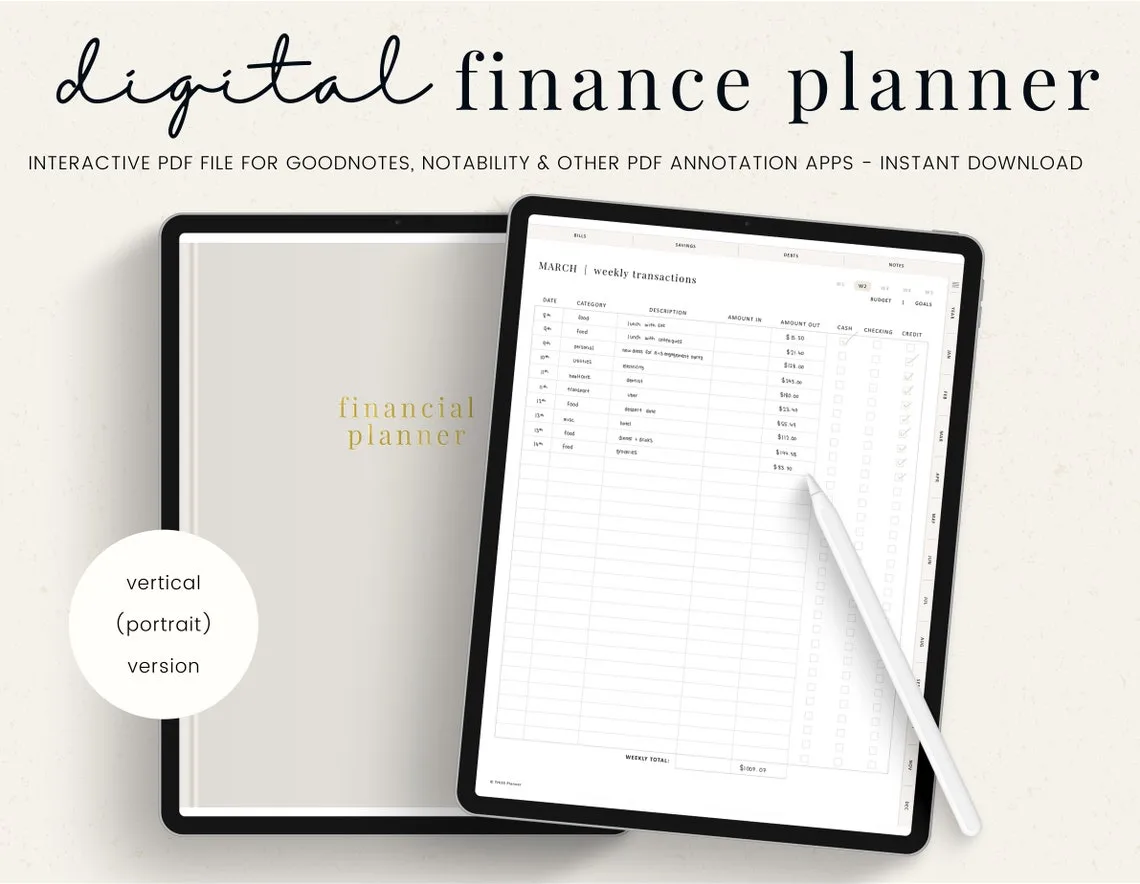
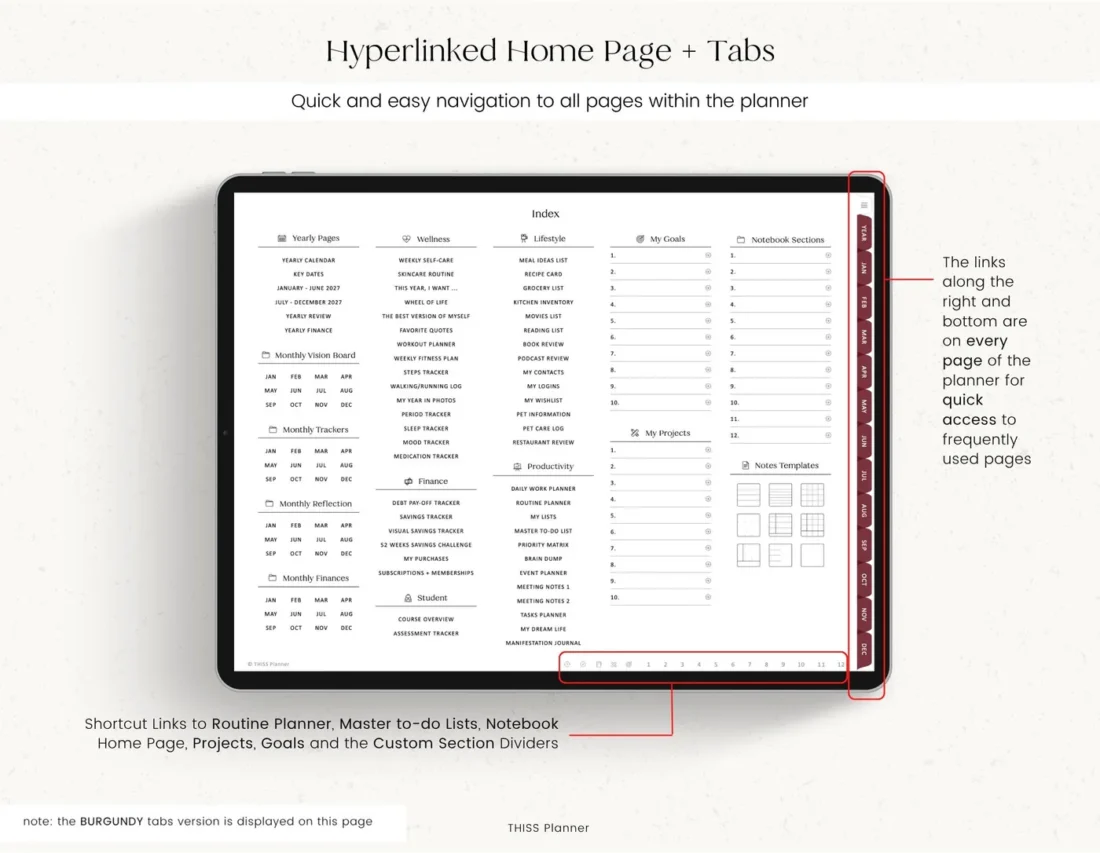
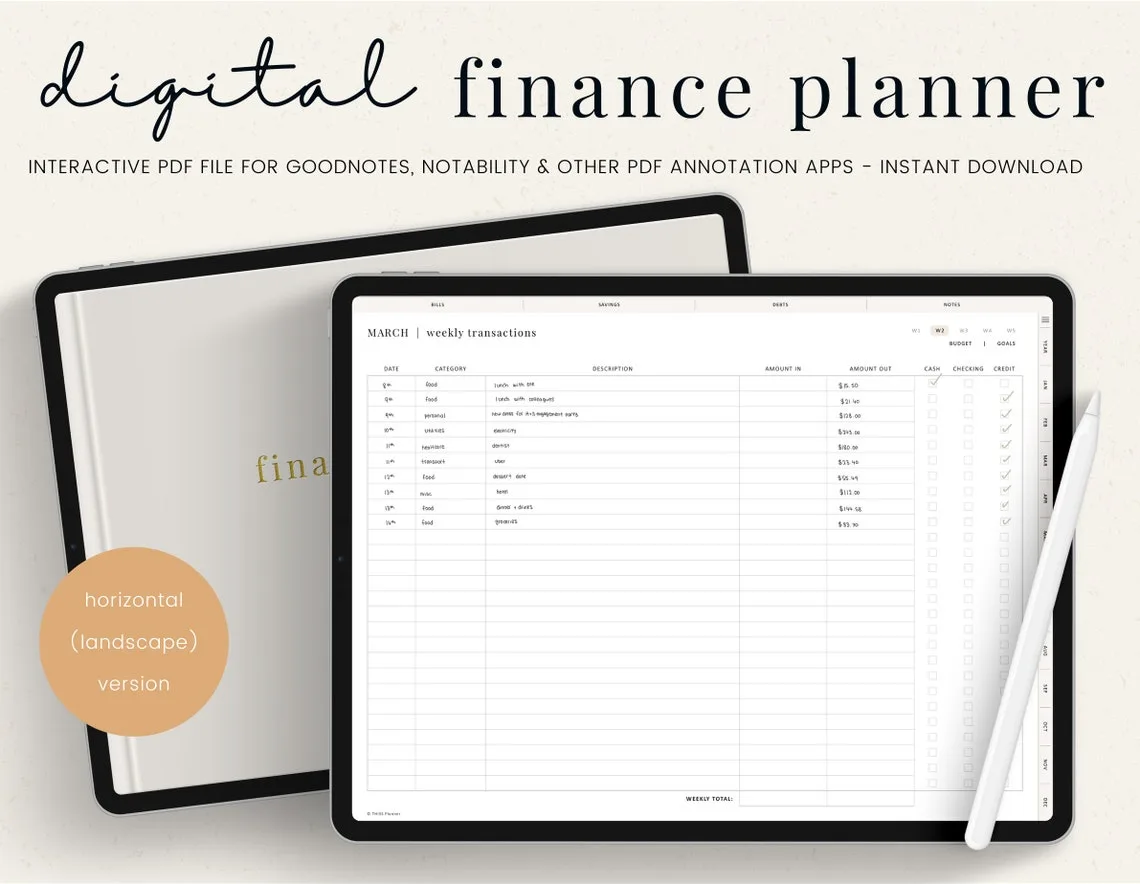
If you’d like a place to keep it all, the THISS Finance and Budget Planner has monthly budget pages, a weekly transactions tracker, a bills tracker, savings and debt trackers and a sinking funds log.
This article is general information to help you organize your money. It isn’t financial advice, so for advice on your own situation, please talk to a qualified professional.
Keep reading: Sinking funds explained, How to budget with a digital planner and How to create a weekly meal plan.